


Sustaining Temperature: Comparative Analysis of Heat Retention in Kraft Paper and Aluminum Foil Containers
Heat Retention Comparison: Kraft vs. Aluminum Containers
.jpg)
In the competitive take-out and delivery market, maintaining food temperature from kitchen to consumer is crucial for quality. Kraft paper containers and Aluminum Foil Containers (AFCs) offer fundamentally different mechanisms for thermal retention. B2B buyers must understand these differences to optimize their packaging choice based on food type, transit time, and environmental conditions.
1. Thermal Properties: Conduction vs. Insulation
The core difference lies in the material's approach to heat transfer.
Aluminum Foil Containers (AFCs): High Conductivity/Low Emissivity
Mechanism: Aluminum is an excellent thermal conductor, meaning it heats up quickly and readily transfers heat. Crucially, its shiny surface provides low thermal emissivity, reflecting radiant heat back into the food.
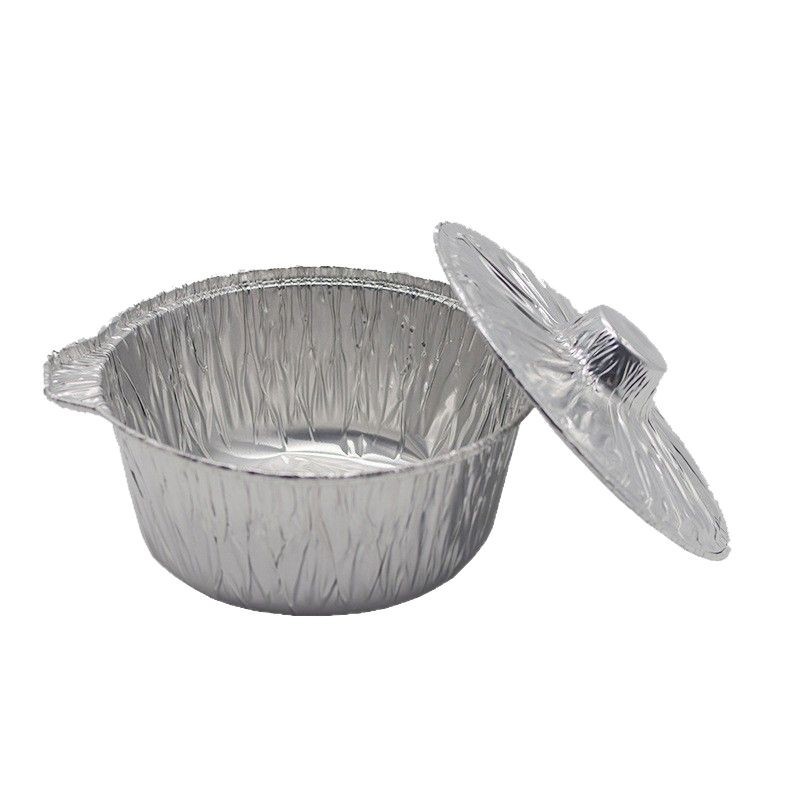
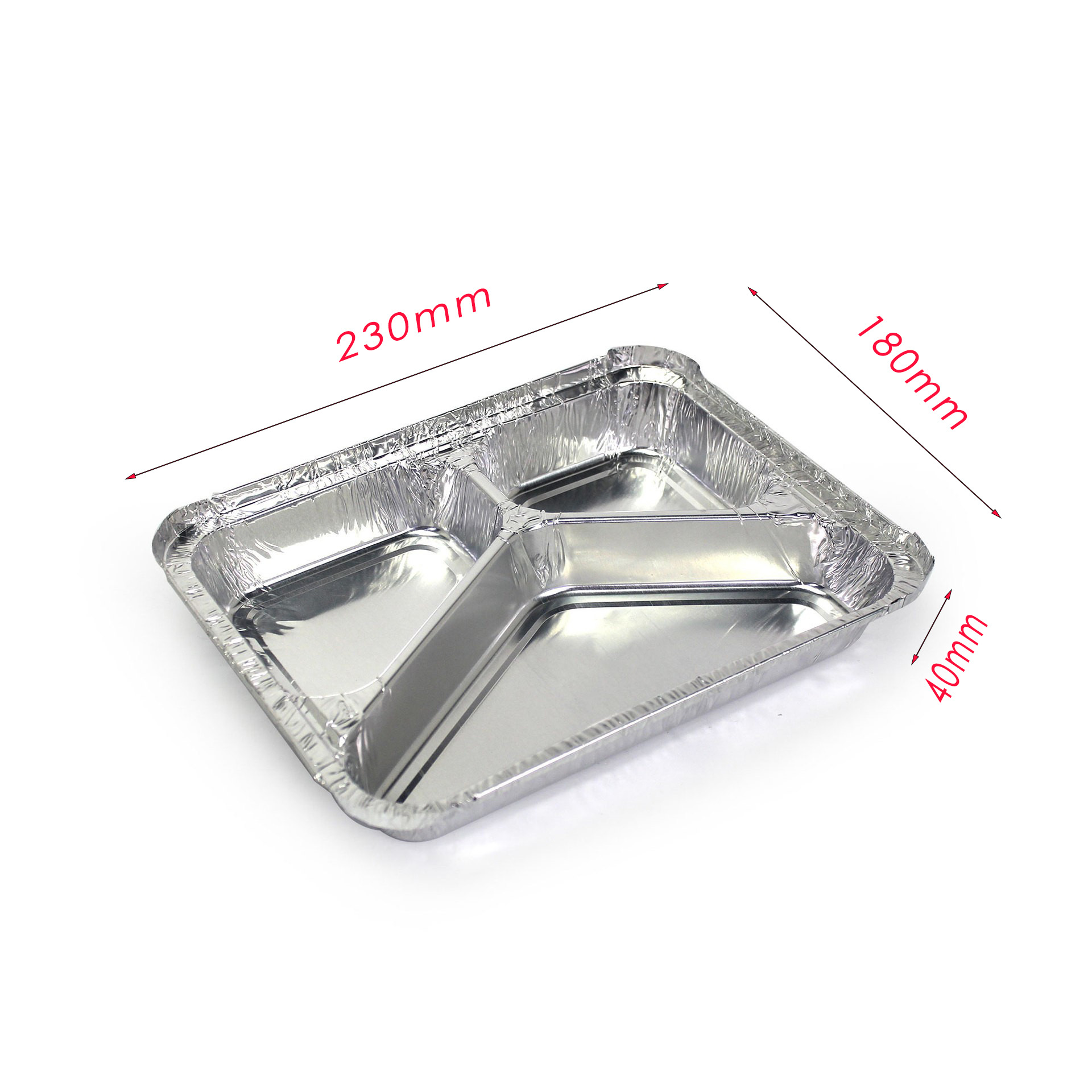
Performance: AFCs are superb at retaining heat once the food is hot, especially when sealed with an aluminum or dense card lid, creating an effective thermal blanket. Ideal for long transit times.
Kraft Paper Containers: Insulation/Breathability
Mechanism: Kraft paper, composed of compressed cellulose fibers and an air layer, acts as a natural insulator (low thermal conductivity). It slows down the transfer of heat from the food to the external environment.
Performance: Excellent for mitigating the initial heat shock (the rapid temperature drop when food is placed in a cold container). Paper also allows for some breathability, which is key for preventing soggy crusts in fried foods.
2. Real-World Heat Retention Test Data
We conducted controlled tests to provide clients with empirical data on temperature decay over time.
Test Protocol
Both a 750 ml Kraft paper container (bio-lined) and a 750 ml AFC were filled with 85°C beef stew, sealed, and measured in a 20°C ambient environment.
Results (Temperature After 30 Minutes)
- Aluminum Container: Maintained an average temperature of 68°C.
- Kraft Paper Container: Maintained an average temperature of 62°C.
Conclusion
The Aluminum Container demonstrated 6°C better heat retention over the 30-minute period, proving superior for maximum heat preservation.
3. Optimal Application Scenarios
The best choice depends on the food and the required consumer experience.
| Food Type | Recommended Material | Rationale |
|---|---|---|
| Hot Soups/Stews | Aluminum Foil | Superior heat retention over extended delivery times; ensures food is safe to eat upon arrival. |
| Fried/Crispy Foods | Vented Kraft Paper | Better insulation; allows steam to escape to prevent sogginess; maintains crisp texture. |
| Pizzas/Bakery | Kraft Paperboard | Insulation properties are ideal; lower risk of burning hands; aligns with fiber-based sustainability goals. |
4. Total Solution: Combining Materials
For the ultimate performance, we advise a hybrid approach: using the AFC as the primary food vessel and enclosing it in a Kraft paper carry-out bag or box. The paper acts as a secondary layer of insulation, minimizing heat loss via convection.
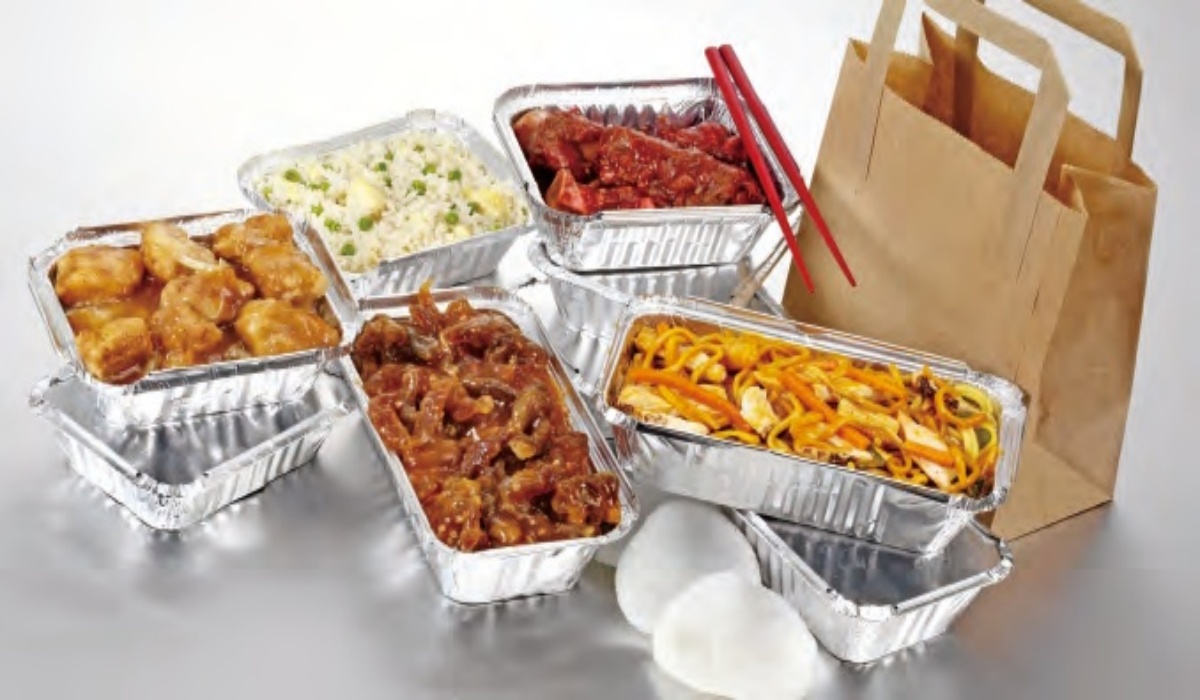
In summary, both Kraft paper and aluminum foil containers offer valuable but distinct thermal properties. Aluminum excels in long-term heat retention for liquid or saucy foods, while Kraft paper provides better insulation and breathability for crispy or baked goods. By understanding these characteristics and considering hybrid solutions, B2B foodservice operators can make informed choices that enhance food quality, customer satisfaction, and delivery efficiency.